



Monitor with Confidence
Welcome to SpotSee
SpotSee monitors and indicators are designed to spot changes in environmental condition, so you can identify damage throughout the supply chain. Even the smallest changes in temperature, shock, tilt, location, humidity, and light sensitivity can make a big difference in shipping valuable products. By tracking these small details, we help our customers ensure that whatever is being transported – from life-saving medicine and therapeutics to sensitive cargo – arrives safely and in the best possible condition.
SpotSee’s products are widely used in various industries, including pharmaceuticals, diagnostics food and beverage, electronics, manufacturing, and logistics. Use SpotSee and deliver with confidence.
Industries We Serve
Life Science
Aerospace
Aerospace components, built for safe flight, are vulnerable during transport. SpotSee solutions help reduce they face damage from unexpected impacts.
Automotive
Supply Chain
Solutions
FEATURED PRODUCTS
WarmMark
MaxiLog Alert -80°C
The best-in-class data logger for extreme cold transport, the Maxilog Alert combines robust temperature monitoring with simple data retrieval via built-in USB interface with direct download to software.
ShockLog
The ShockLog devices monitors and records impact and environmental conditions experienced by sensitive equipment, whether in use, transit, or storage – detecting seismic-level g-force. The device alerts you when damage may have occurred, so you can respond promptly.
ColdChain Complete
Product Categories
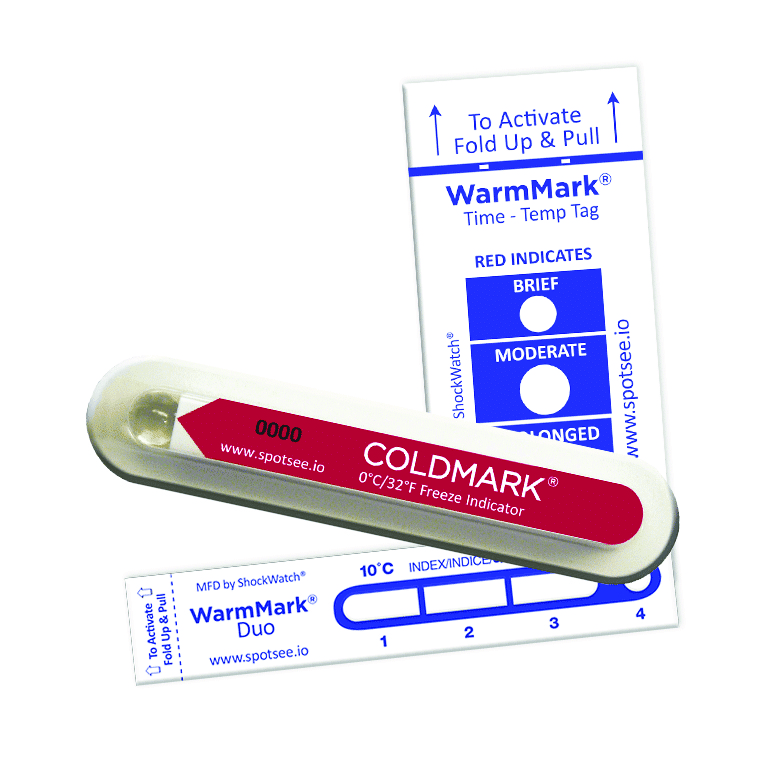
TEMPERATURE
Prevent, monitor and record temperature threshold excursions and events - especially in the cold chain.
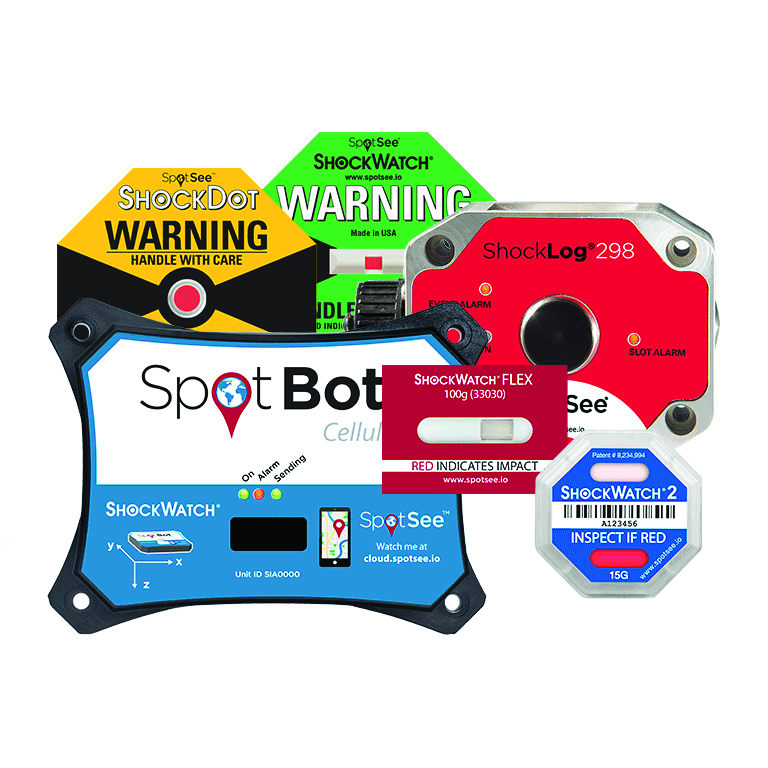
IMPACT
Prevent, detect and record impacts in order to understand damage during shipping.
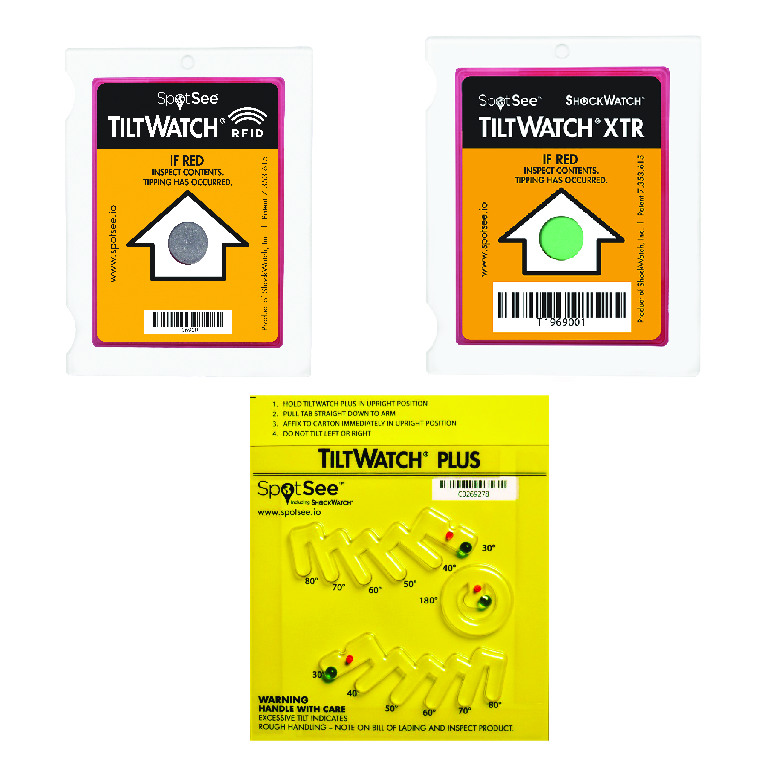
TILT
Prevent and detect if tilt has occurred during shipping or storage of sensitive products or machinery.
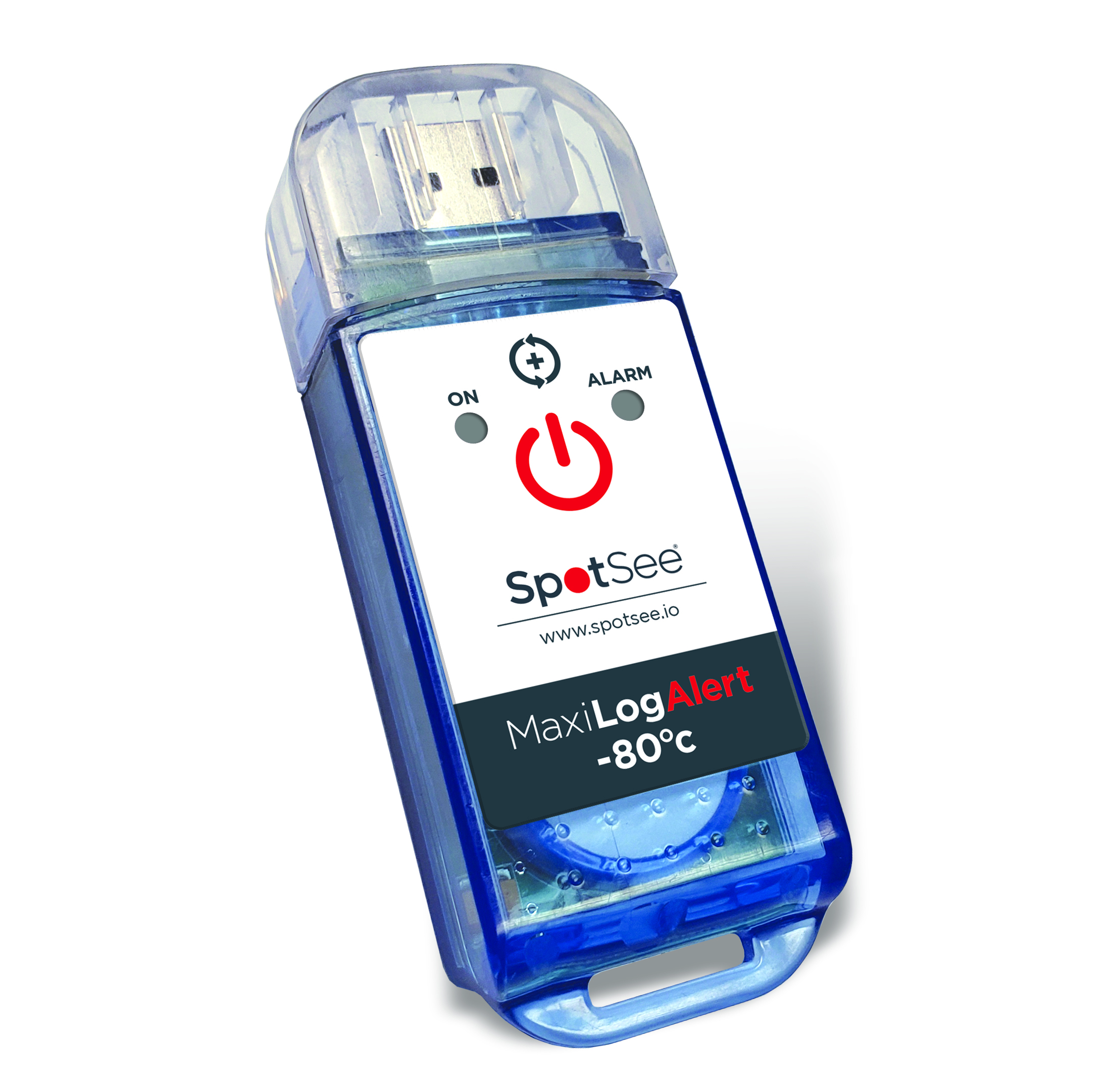
DATA LOGGERS
SpotSee now offers a full range of Data Loggers, including the market-leading probeless data loggers.
COLD CHAIN
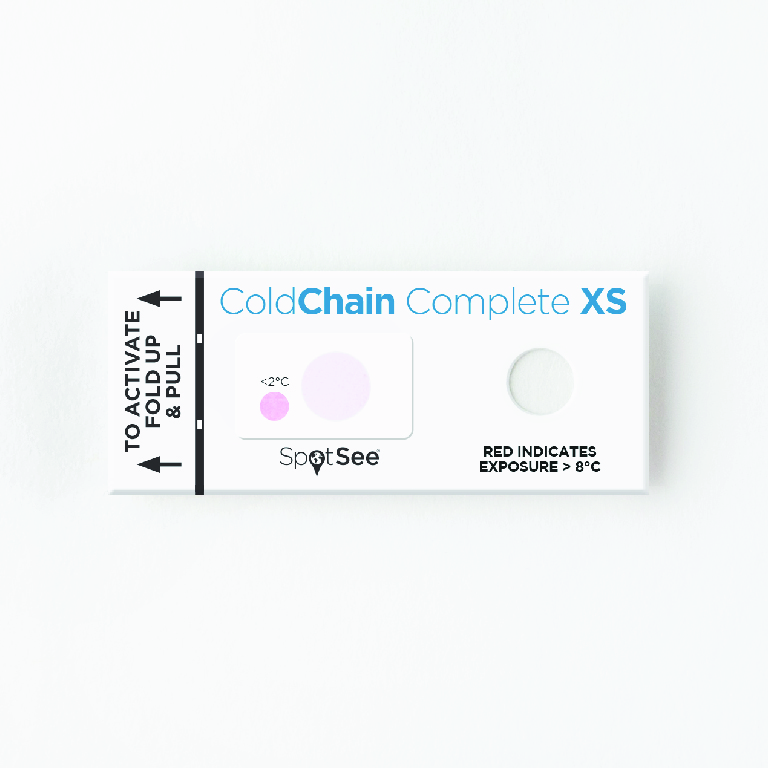
The simplest way, most cost-effective way to monitor your shipment's cold chain integrity
Latest Blogs
News
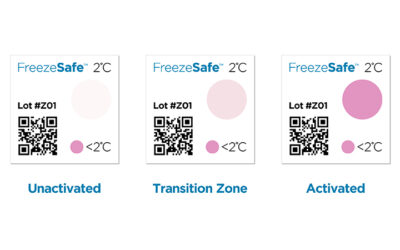
FreezeSafe: Low-Cost Simple Indicator for Life Science Application
Safeguarding Pharmaceutical Integrity: How FreezeSafe from SpotSee Ensures Vital Temperature Control In the world of pharmaceuticals, maintaining temperature control is paramount to preserving the efficacy and safety of various products. Certain pharmaceuticals, such...
Thermax® Condition Indicators Help Rail Car Owners Prevent Bearing and Other Overheating Problems
Cold chain logistics is the larger system and equipment used to safely transport goods that are temperature sensitive. Think of the cold supply chain as consistent and uninterrupted temperature control throughout the entire supply chain network.

Cold Chain Temperature Indicators to Support Safe Pharmaceutical Delivery
Cold chain logistics is the larger system and equipment used to safely transport goods that are temperature sensitive. Think of the cold supply chain as consistent and uninterrupted temperature control throughout the entire supply chain network.


